Breathwork: Insight & Transformation
“Breath is the bridge which connects life to consciousness, which unites your body to your thoughts.”
– Thich Nhat Hahn

Breathwork is the intentional, conscious manipulation of breathing patterns such as depth, rate, and rhythm to improve physical, mental, and emotional well-being. By deliberately changing our breathing patterns, we can access and influence our nervous system, which then influences our heart rate, stress levels, and even blood pressure. Working with the breath can give us access to incredible states of calm by activating the “rest and relax” (parasympathetic) side of our ANS, or we can increase energy and alertness by using methods to deliberately activate our sympathetic “get up and go” side.
Breathwork provides a wide range of health benefits, including improved moods, reduced high blood pressure, and enhanced relaxation. It can also be effective in managing symptoms of chronic conditions like COPD and asthma, improving cognitive functions such as alertness and memory, and fostering creativity and quality sleep. Additionally, breathwork has been found to reduce anxiety and depression, and increase heart rate variability, indicating improved fitness and mental health.
How Breath Training Helps People:
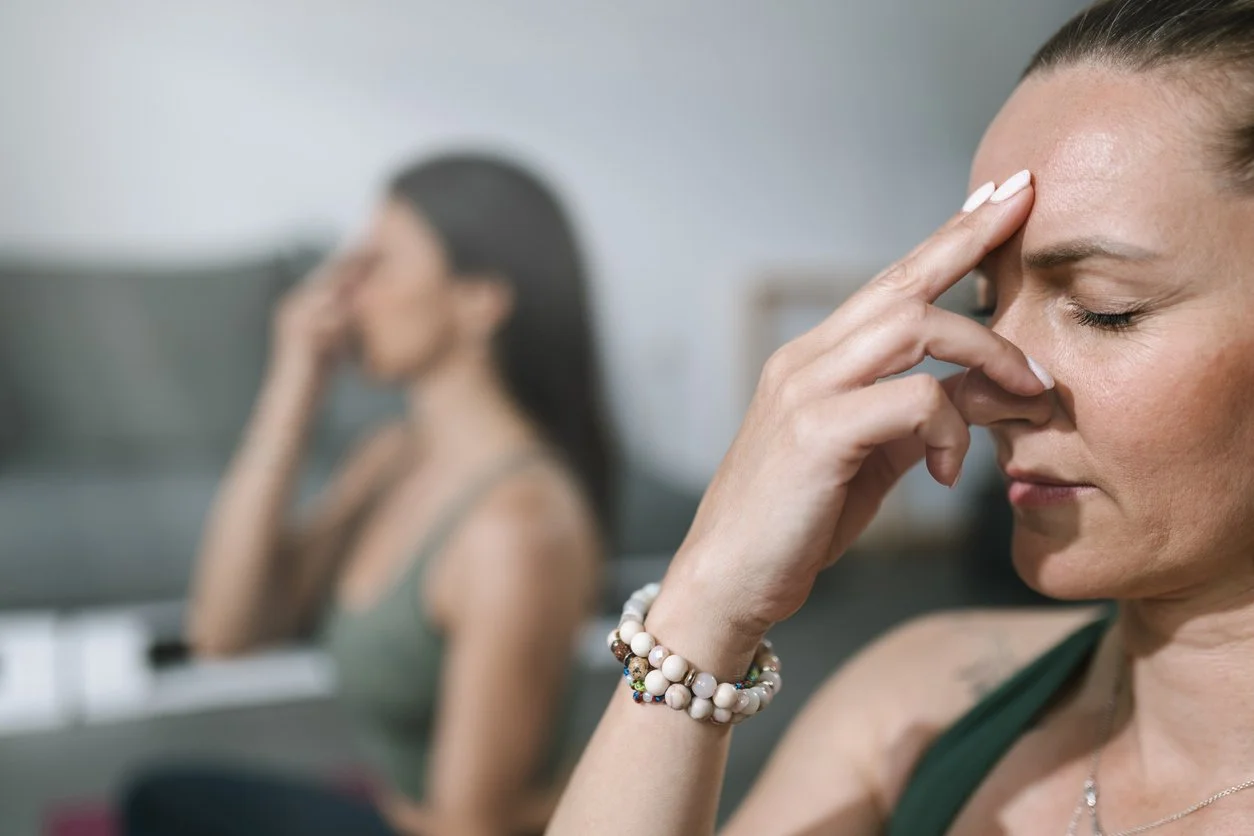
Reduces Stress and Anxiety: By stimulating the parasympathetic ("rest and digest") side of the nervous system, it slows heart rate and lowers blood pressure by releasing stress and anxiety stored in the body.
Resolves Past Traumas: It can help individuals bypass their mental and embodied blocks and defenses by directly utilizing the autonomic nervous system to release body-stored stress and restore the nervous system to safely regulate itself once more. Some methods can also allow individuals to access memories and other repressed material, to process and release them.
Improves Mental Clarity and Focus: It can help clear racing thoughts and improve focus.
Enhances Emotional Regulation: It allows people to transition from a stressed state to a relaxed state, helping to manage emotional reactions.
Improves Sleep: Techniques like 4-7-8 breathing can prepare the body for deep sleep.
Boosts Physical Health: It strengthens the lungs, aids in pain management, and can help in managing chronic diseases like cancer or heart disease.
Provides Quick Relief: Some breathing methods offer a free, on-the-spot tool to manage moments of overwhelm or panic.
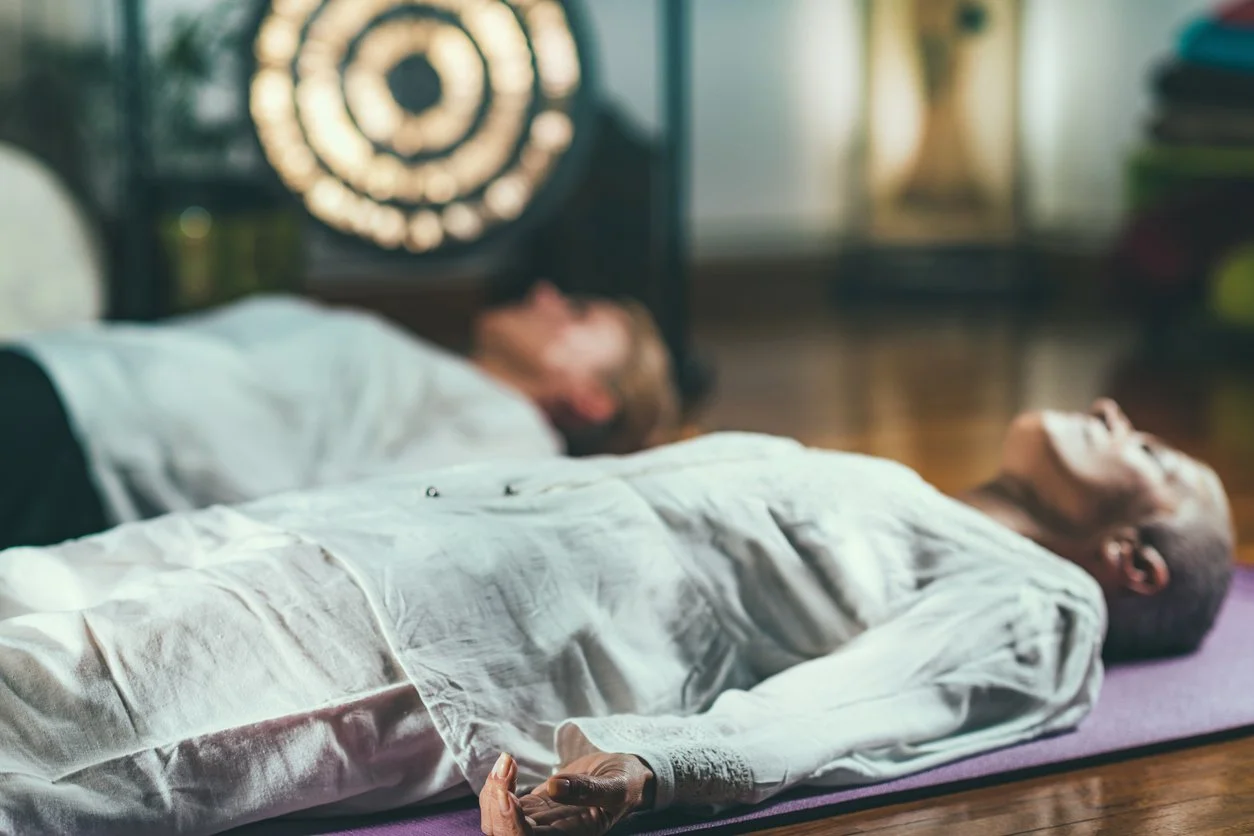
Methods that I am trained in include:
Pranayama: The ancient practice of using one’s breath to regulate the "life force" (prana) to enhance physical and mental well-being. As the fourth limb of yoga, pranayama is considered both a science and an art of managing internal energies through breath control.
Breath Coaching: This wellness discipline is where a trained guide helps individuals optimize their breathing patterns to reduce stress, improve sleep, or enhance athletic performance. Breath coaches will assess/analyzes your breathing mechanics and habits, and then teach specific techniques to help clients reset their nervous system, manage anxiety and other emotions, and improve overall vitality.
Holotropic Breathwork: HB is a practice that combines circular enhanced breathing methods in a safe setting with evocative music to induce altered states of consciousness for deep healing. Developed in the 1970s by psychiatrist Dr. Stanislav Grof and his wife Christina, the name is derived from the Greek holos [wholeness, all] and trepein [moving in the direction of something] thus meaning “moving towards wholeness.” HB aims to promote self-discovery, emotional healing, and the release of unresolved trauma without the use of psychedelics. HB is a complex of practices that includes the breathwork sessions, creative expression via art-making, bodywork (when needed), and integration practices. HB is usually conducted in 1-day, 2-day, or longer group retreats, but it can be practiced 1-on-1 with a facilitator.
Ecstatic (Short-Form) Breathwork: This is a variation of Holotropic Breathwork modified to fit into a shorter time-frame, with individual breathers instead of pairs, but with similar results.