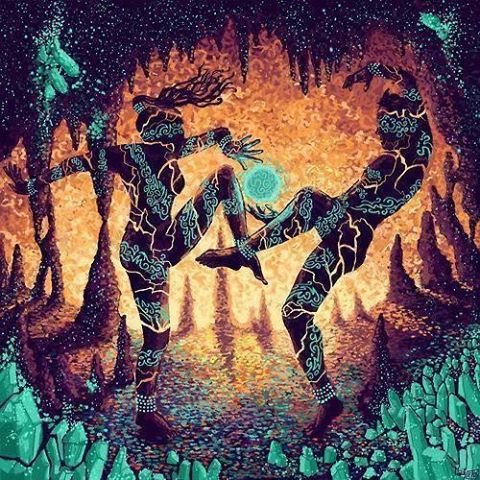
Somatics: Movement & Embodiment
"The symbols of the self arise in the depths of the body, and they express its materiality every bit as much as the perceiving consciousness. The symbol is thus a living body." – Carl Jung
“Soul, to me, means 'embodied essence,' when we experience ourselves and others in our full humanity - part animal, part divine. Healing comes through embodiment of the soul." – Marion Woodman
"The effects of trauma are stored in the body. Until they are addressed there, words alone are not enough." – Bessel van der Kolk, MD

The way we move, the way we breathe, is the way we live. Living in the body is essential to life, but it is often overlooked. Most of the time we aren’t even aware that we are embodied beings at all, never-mind if we are doing it correctly. Instead we live somewhat detached from our bodies, instead taking up residence in our heads. Modern life encourages intellectual, analytical thought over emotional-embodied experience. Living in our head means over-focusing on thoughts, worries, and judgments, where we are forever planning rather than “being” with our immediate physical sensations, leading to disconnection from the present moment and our intuitions.
Learning to exist again from a body-based orientation reconnects us with sensations like breathing, heart rate, posture and balance, restores our nervous system to a heathy dynamic homeostasis and reconnects us to our "gut feelings", reducing stress and enhancing presence. Once we become aware of this mind-body connection, we can begin to consciously observe and change the way we move and the way we breathe. Working from this awareness, learning new strategies, we begin to influence our own nervous system with tremendous benefits for improving our health, gaining mastery of our mental states. We can release the tensions from the body and the mind that have been holding us prisoner and return to natural and peaceful way of being, learning to be connected to the present moment.
Dance and Movement Therapy (DMT) is a wide category of psychotherapeutic approaches that use movement to help individuals or groups reconnect with their embodied modes of being to improve emotional, cognitive, physical, and social integration, and leading to benefits like reduced depression/anxiety, enhanced self-esteem, improved body image, and better motor skills. It is effective for managing stress, trauma, anxieties, body image problems, eating disorders, and has even shown benefits for neurological conditions like Parkinson’s disease.
Key Benefits Include:
Mental Health Improvement: DMT reduces depression and anxiety by releasing endorphins and activating the parasympathetic nervous system for relaxation.
Emotional Regulation & Expression: Provides a safe, non-verbal space for expressing emotions, processing trauma, and improving body image.
Physical Health Gains: Enhances motor skills, coordination, balance, and muscular strength, which is particularly beneficial for treating movement disorders like Parkinson's.
Cognitive & Social Benefits: Enhances memory, spatial recognition, and brain health. It improves social skills, confidence, and interpersonal connection through techniques like mirroring.
Self-Awareness: Helps individuals gain insight into their behavioral patterns and emotions through movement analysis.
Somatic & Movement based methods I have trained in include:
Authentic Movement: AM is a therapeutic, meditative, and improvisational movement practice, developed by Mary Starks Whitehouse and Janet Adler where individuals move with eyes closed to follow spontaneous, inner, bodily-felt impulses. It explores the relationship between a "mover" (who acts on internal impulses) and a "witness" (who observes without judgment), fostering self-awareness, psychological integration, and connection to the subconscious. The practice has strong connections to the work of Cark Jung, especially his practice of Active Imagination.
DreamBody Work: Developed by Arnold Mindell as is an important component of his Process-Oriented Psychotherapy, this method treats physical symptoms, illnesses, and bodily sensations as messages from the unconscious, similar to dream symbols. It bridges the gap between depth psychology and somatic methods by viewing the body not just as a physical entity but as an energetic field ("dreambody") where physical and, psychological, processes are unified.
Embodied Individuation: EI applies Carl Jung's concept of Individuation, becoming one's true, whole self through somatic and bodily awareness. It addresses the idea that psychological growth is incomplete unless integrated with the physical body, by accessing the body’s sensorial and imaginal wisdom. A key method in this process is the application of Jun’s imagination applied somatically. Rather than only working with mental or archetypal images, practitioners use the body's felt sense to dialogue with the unconscious.
Sensory Awareness: Sensory awareness is the practice of deliberately paying attention to immediate sensory input (sight, sound, touch, taste, and smell) to foster mindfulness, grounding, and stress reduction. Originating from Elsa Gindler’s work in early 1900s Germany, this practice helps individuals connect with their physical sensations to better understand and respond to their own emotions, memories, and anxieties, leading to improve overall well-being.
Sensorimotor Psychotherapy: SP is a body-oriented therapy developed by American psychologist Pat Ogden, PhD that treats trauma, attachment wounds, and emotional distress by addressing the nervous system's physical patterns. It combines cognitive, emotional, and physical awareness to help clients release stored trauma, regulate arousal, and build resilience.
Somatic Experiencing: SE is a body-oriented therapeutic model designed to treat PTSD, trauma, and stress-related disorders by focusing on bodily sensations rather than just thoughts or memories. Developed by Dr. Peter Levine, it helps release trapped survival energy (fight, flight, or freeze) in the nervous system to restore balance and resilience.
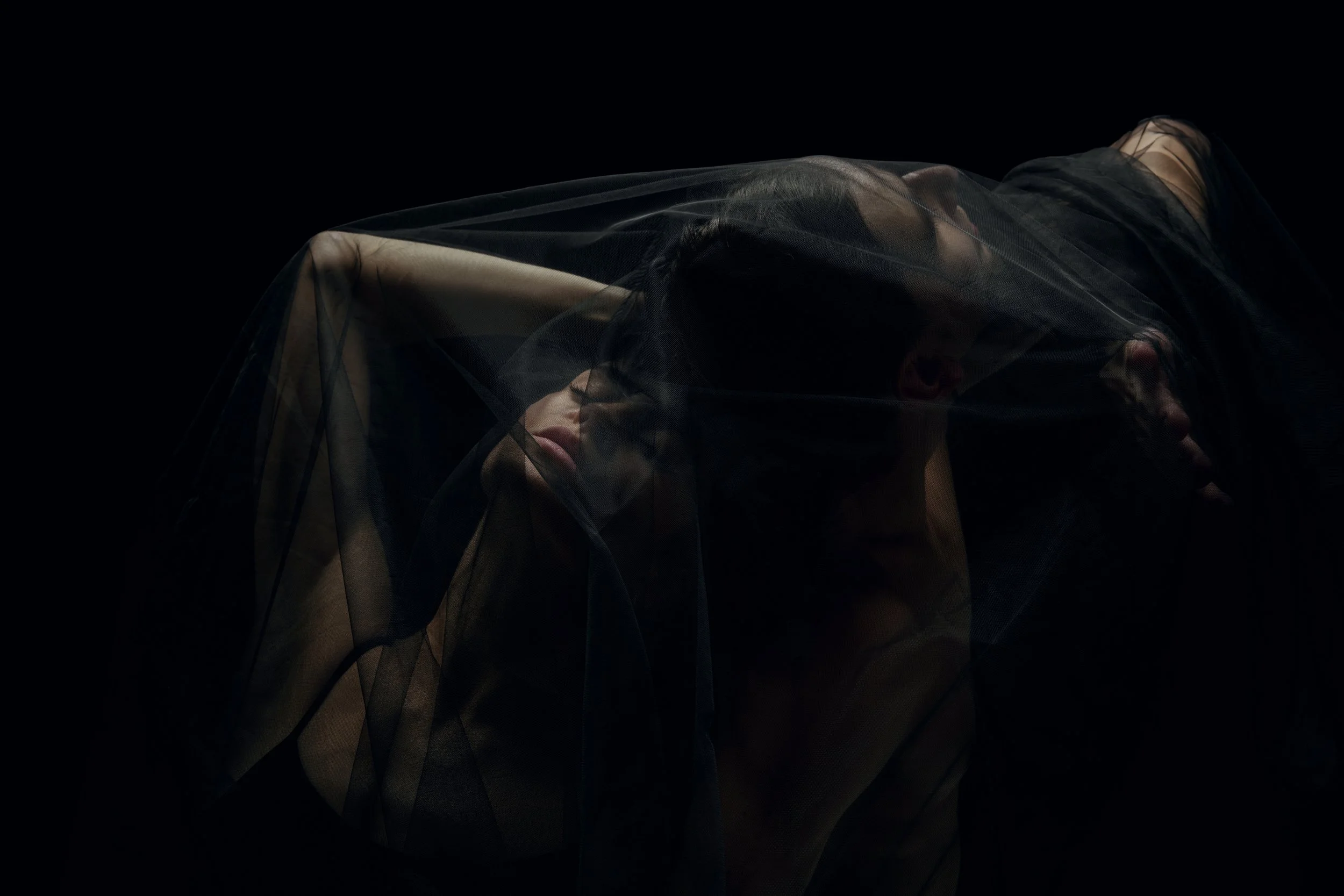
Trance Movement: TM is a contemporary meditative, movement method developed by Aernoudt Knecht in Germany. Growing out of the ecstatic dance culture but with a less intense pacing and an inner-focus inspired by both contemporary western embodied psychologies and world shamanic traditions. By moving with eyes closed or wearing a blindfolded or scarf over the head, and accompanied by evocative music, the mover can allow their body to follow it’s own intuition, to connect to their feelings, physical and imaginal experiences, and “journey” wherever they feel drawn. TM™ can facilitate the release of blocked emotional, memories, and limiting believes, while consciously bring deeper material to the surface so we can start to process them. This allows the mover to release emotions, transform conditioned thinking patterns, and discover new insights.