Psychotherapy
“Until you make the unconscious conscious, it will direct your life and you will call it fate.” – Carl Jung

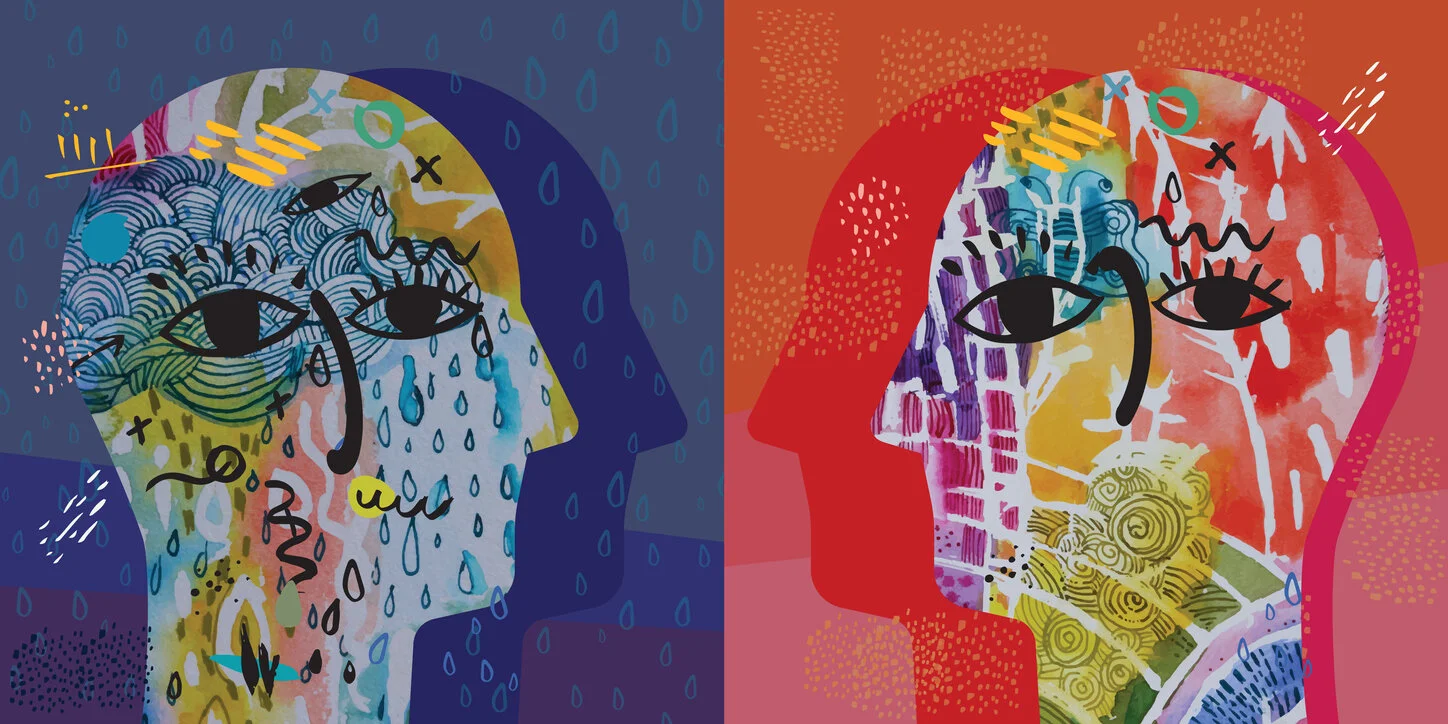
Psychotherapy (also popularly called talk therapy) refers to a range of methods that aim to help someone identify and change emotions, thoughts, or behaviors that are causing distress. Most psychotherapy takes place in a one-on-one context in a private space with a licensed mental health professional. But it can also be offered in a group setting. In general, the goals of psychotherapy are to gain relief from symptoms, maintain or enhance daily functioning, and improve quality of life for many reasons.
People go to therapy to manage mental health conditions like anxiety or depression, to navigate major life changes, process grief or trauma, resolve relationship conflicts, or work on personal growth. Therapy provides a supportive space to explore all of these issues and to build healthy coping skills and gain self-awareness.
The reasons someone may seek out a licensed therapist incudes:
Mental Health Symptoms
Anxiety and chronic stress: Feeling constantly worried, panicked, or overwhelmed by daily life.
Depression and low mood: Struggling with persistent sadness, hopelessness, or a loss of interest in activities.
Trauma and PTSD: Processing past abuse, accidents, violence, or distressing events.
Unhealthy habits: Using alcohol, drugs, food, or gambling to numb difficult emotions.
Life Changes and Stressors
Major life transitions: Adjusting to divorce, a new job, moving, retirement, or becoming a parent.
Grief and loss: Coping with the death of a loved one or the end of a significant relationship.
Work burnout: Managing career pressure, professional conflict, or chronic exhaustion.
Relationships
Relationship conflicts: Resolving communication breakdowns with a partner, family member, or friend.
Low self-esteem: Working through harsh self-criticism, perfectionism, or trouble setting boundaries.
Self-Growth
Personal development: Seeking a deeper self-understanding or a safe space to navigate identity and life goals.
What Does a Therapy Session Involve?
A therapy session is a private, confidential dialogue where I help you identify and overcome any barriers to living a full life by learning more about yourself, revealing any barriers that may be getting in your way, clarifying your goals, and together we will develop actionable solutions to help you move forward. The session is generally an hour-long meeting, either virtual or in-person, where I work with you over time to develop the therapeutic alliance and the trust needed for you to delve deeply into your personal history, share your struggles, worries, and fears with me, and receive the support you need to thrive. This work can delve into very personal areas of your life, and can result in emotional releases. Therefore a secure therapeutic alliance is very important for you to feel safe enough to go wherever you need to go. Studies demonstrate that a secure, non-judgmental environment enables clients to explore trauma, regulate their emotions, and take emotional risks; and that the quality of the bond between the coach and the client outweighs any specific techniques or modalities.
My objective is to empower you with a set of tools you can use anywhere anytime to manage life stresses. My commitment to you is to provide a comfortable and safe space or “container” to help establish the trust where you will feel confident enough to do the “work” of exploring your own inner and outer world.
Therapeutic Orientation
I do not subscribe to single therapeutic model or orientation. Instead will combine several into a personalized practice, fine-tuning my approach based on my client’s needs.
I am well versed in the following orientations:
Acceptance and Commitment Therapy (ACT)
Cognitive Behavioral Therapy (CBT)
Compassion Focused
Contemplative / Mindfulness-Based
Culturally Sensitive
Expressive Arts and Creativity
Holistic
Humanistic
Integrative
Jungian / Psychoanalytic / Depth Psychologies
Motivational
Psychoanalytic and Psychodynamic
Shamanic Theories and Practices
Somatic/Movement and Body Oriented
Strength-Based
Transpersonal
Trauma Informed
Topics
Some of the areas I have worked on with clients include:
Addiction including Alcoholism and Substance Use or Abuse
Anger Management
Anxiety and Panic Attacks
Bipolar and Mood Disorders
Body Image Issues (dysmorphism)
Depression
Domestic Abuse and Intimate Partner Violence (IPV) from the perspective of both the Victim and the Perpetrator
Grief and Loss
Guilt and Shame
Impulsivity
Life Transitions, Disruptions, and other Adjustment Issues
Loneliness and Isolation
Men's Issues
Narcissistic Abuse
Obsessions and Compulsions
Self Esteem and Shame Issues
Sexual Addiction
Sexuality, Identity, and LGTBQ Issues
Spiritual Emergencies and Existential Crises
Stress Management
Suicidal Thoughts
Trauma and PTSD
Take the First Step
If you are interested in learning more about how wellness coaching can change your life, please contact me to request a free consultation at About
I am available for virtual and in-person sessions. My office is located in Brookline Massachusetts, close to public transit (C-train) and metered parking.